5 Reasons Split Rail Is Still the Most Versatile Fence Style in Vermont
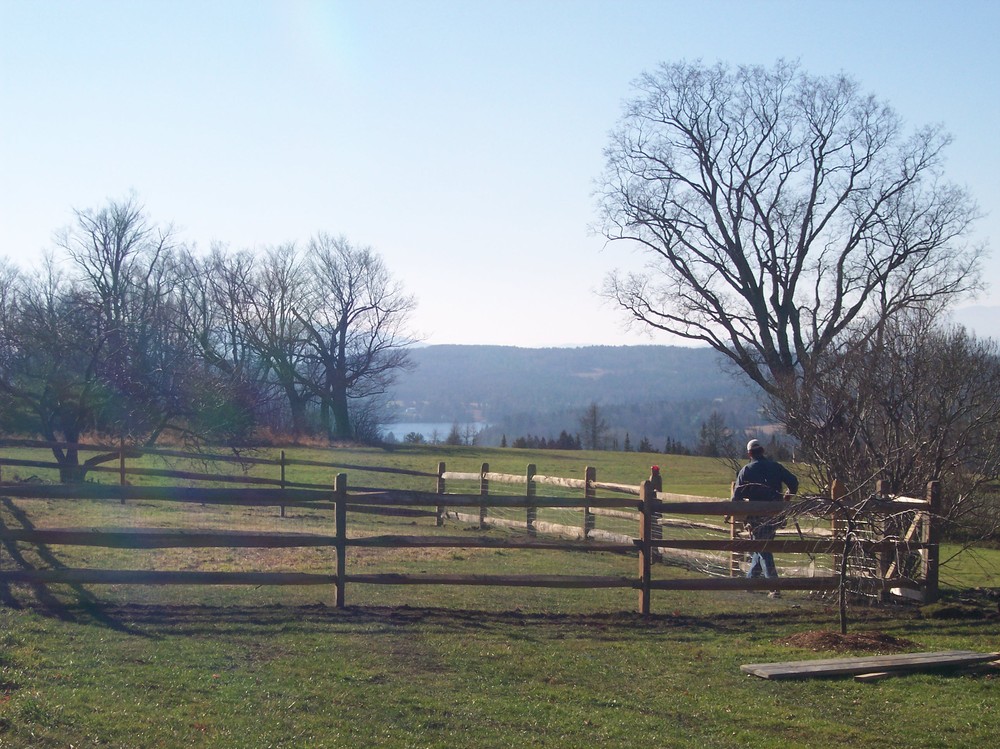
A split rail fence in Vermont isn’t just a nostalgic look, it’s one of the most practical fencing choices you can make. From working farms to suburban front yards, split rail handles boundary marking, livestock containment, and curb appeal without the upkeep headaches of vinyl or metal. Here are five reasons Vermont homeowners keep coming back to it.
What Happens to Vinyl Fencing in Vermont’s Extreme Cold (And What Doesn’t)
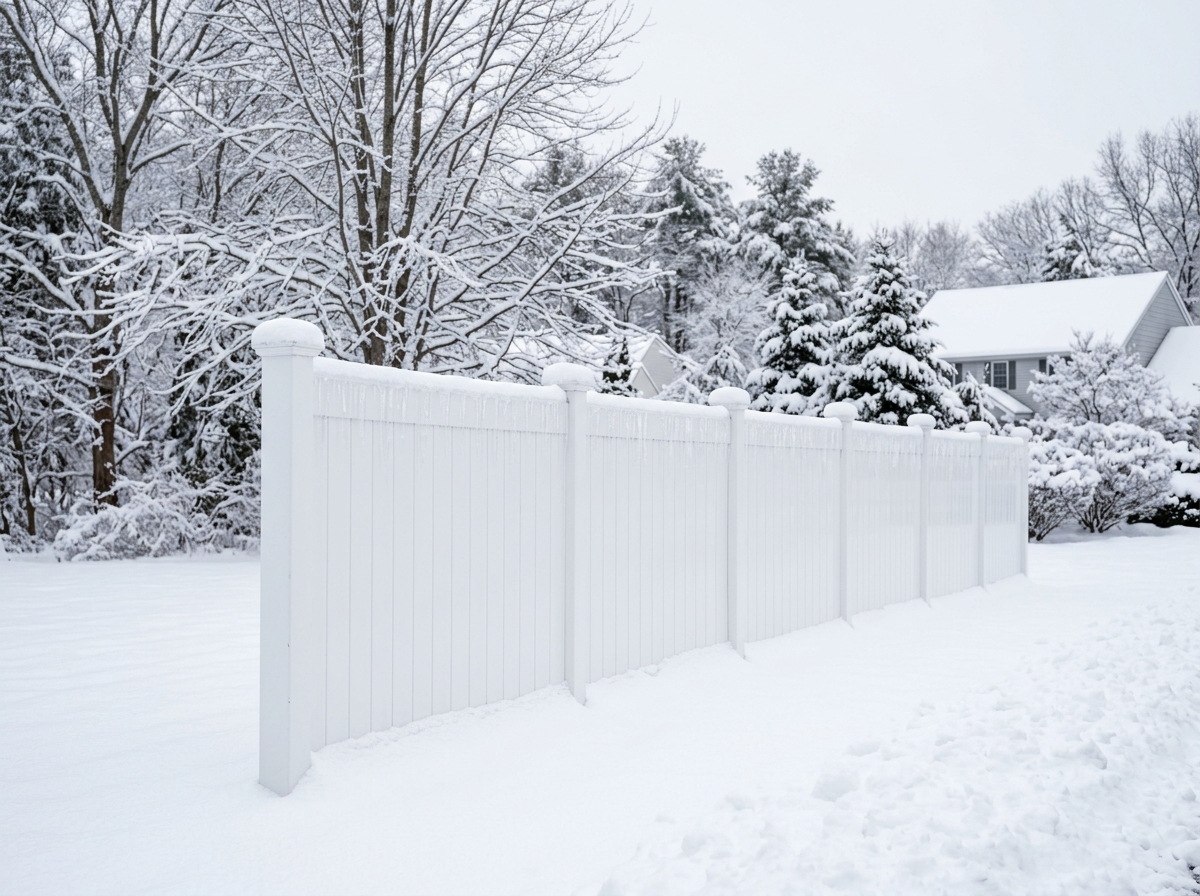
Vinyl fencing can hold up through Vermont winters. But material grade and installation make all the difference. Round Hill Fence explains what actually works and why.
We Visited a Big Box Store and Photographed Every Problem With Their Wood Fencing
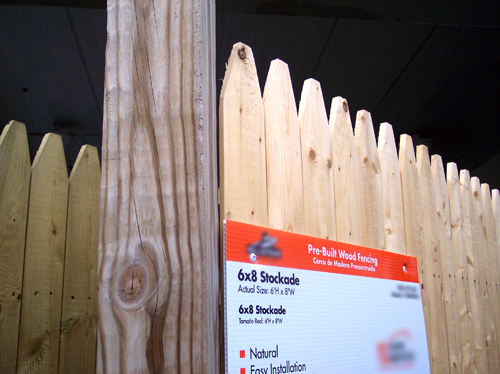
I want to start by saying this is not about picking on any one store. This is about giving Vermont homeowners an honest look at what they are actually buying when they pull a prebuilt wood fence panel off a big box store rack. So I grabbed my phone, walked the fence aisle, and started taking photos. Here is exactly what I found. The Pickets Are Barely Thicker Than the Sign Advertising Them This was the first thing that stopped me in my tracks. The store was advertising a 6×8 Stockade fence panel and right there on the sign it says lower prices. What it does not say is how they get those lower prices. Take a look at the photo. The pickets on that panel are hardly thicker than the sign sitting in front of them. That is not a fence. That is the appearance of a fence. How Do You Think This Holds Up When Snow Gets Plowed Against It? Anyone who has owned property in Vermont knows what happens in February. Snow gets pushed up against fences, it sits there, it melts and refreezes, and it puts real lateral pressure on every panel. Now look at this photo and ask yourself honestly how you think these thin panels hold up to that. I think you already know the answer. They Keep the Price Low by Sawing the Boards in Half This one genuinely surprised me, and I have been in this industry for years. Take a closer look at the 6×8 Stockade label and then look at the actual board dimensions. The way they hit that price point is by using boards that are a fraction of the thickness a properly built fence requires. They are not giving you a 6×8 fence. They are giving you half of one at a price that sounds like a deal. A Screw Already Split the Rail and It Has Never Seen a Real Vermont Winter Look at this photo carefully. See the back rail? It is so thin that a screw has already split it. This panel has never faced a real Vermont winter. No heavy snow loads, no freeze and thaw cycles, no high winds pushing against it for months on end. Now imagine what happens to it after a February in Vermont with snow piled up against it and wind working on every panel. We will let you decide. Broken and Cracked Pickets on a Panel That Has Never Been Installed Right there on the display panel — one picket completely broken, several others already cracked. This fence has never been properly installed and has never faced a real Vermont winter. No heavy snow, no ice, no wind loads, nothing. If it is already breaking down before it has ever done its job, we think you can imagine what happens when Vermont weather hits it. We just do not think fence panels should fail this easily and we would never put something like this on your property. This Is What It Looks Like Before Vermont Weather Ever Touches It This last photo is the one I keep coming back to. Look at that gate. It is already warping and leaning on the floor. Now close your eyes and picture it after one Vermont winter. The snow, the wind, the rain, the freeze and thaw cycles that are relentless from November through April. A fence that looks like this before installation is not a fence that is going to serve you well. It is a fence that is going to cost you twice — once when you buy it and again when you replace it. So What Do We Use Instead? Every wood fence we install is built with properly sized, quality grade lumber that is sourced for performance in the Northeast. Our boards are the thickness they are supposed to be, our rails are built to handle real wind loads, and our installation is done to last decades not seasons. The difference is not just visible in the finished product. It starts with what we bring to the job site. The Bottom Line I am not telling you big box stores are evil. I am telling you that when it comes to wood fencing, you get exactly what you pay for. A fence built with thin, low grade panels is not a bargain. It is a problem waiting to happen, and in Vermont it usually does not take long. If you want to see what a properly built wood fence actually looks like, we are happy to show you. Reach out for a free estimate and let’s talk about doing it right the first time.
Wood Fence vs Vinyl Fence: Which Is the Better Investment in Vermont?
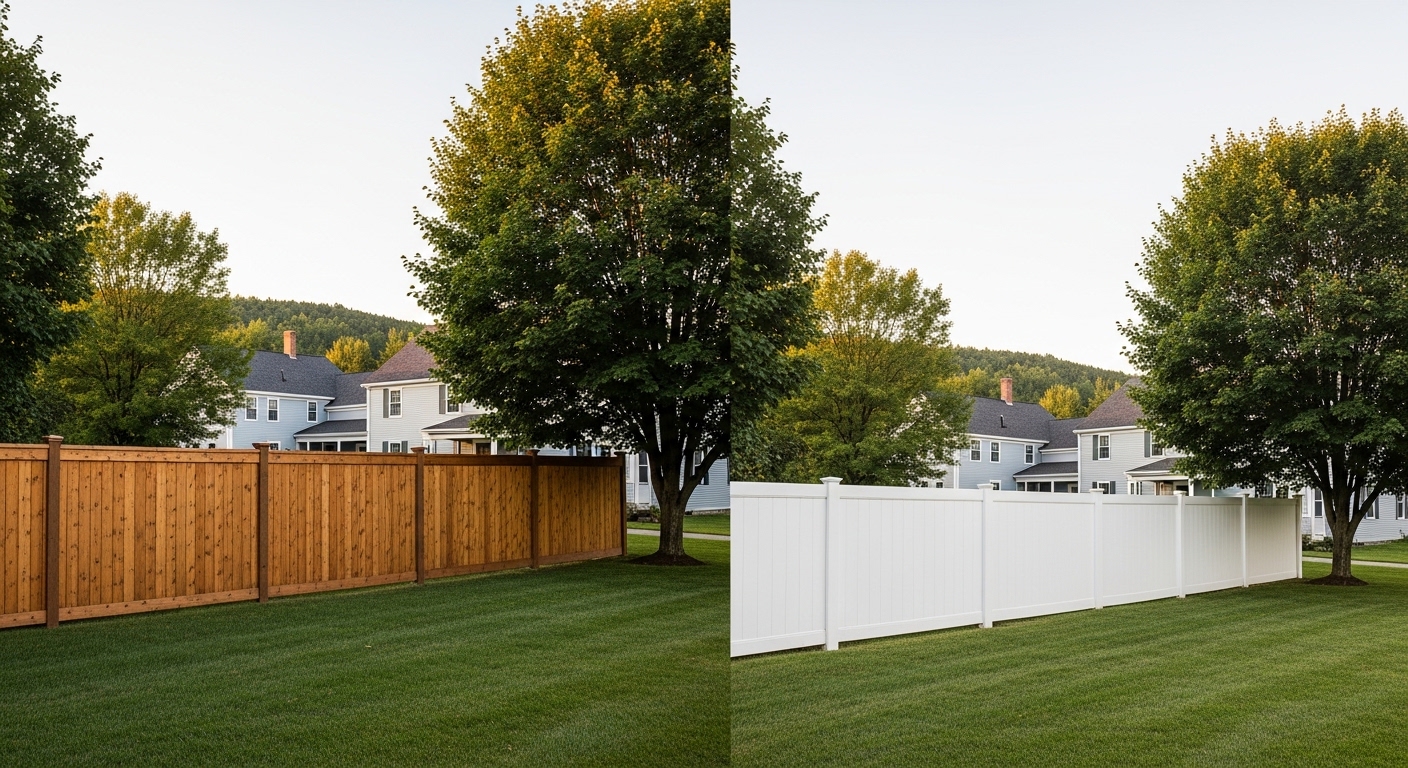
I get asked this question all the time. Homeowners come to us having already gone back and forth on it and they just want a straight answer. After installing both across Vermont for years, I have a pretty clear point of view on when each one makes sense. First, Let’s Talk About Vermont Specifically Vermont is not an easy place to own a fence. Our winters are brutal, our freeze/thaw cycles are relentless, and the moisture we deal with from spring through fall puts real stress on any fencing material. Whatever you install, it needs to handle all of that year after year. The Case for Wood The biggest thing wood has going for it is beauty. There is a warmth and natural character to a well built wood fence that vinyl simply cannot replicate. For older farmhouses, historic properties, and rural settings, wood often feels like it belongs to the landscape in a way vinyl does not. Wood also comes in at a lower upfront cost. If budget is your primary concern and you understand the maintenance commitment, wood can get you a quality fence for less money today. It is also more flexible for custom sizing and unusual grades. And if a board gets damaged, it is easy to swap out without replacing an entire section. That is a real advantage when you are dealing with a large run of fencing. The Case for Vinyl Vinyl does not rot, warp, splinter, or absorb moisture. In a state like Vermont where wood is constantly fighting the elements, that matters more than people realize. As long as it is installed correctly, vinyl holds up year after year without complaint. You will never paint it, stain it, or seal it. Once it is in the ground it is essentially maintenance free, and that adds up to serious savings over time. The look also stays consistent — a quality vinyl fence looks the same in year fifteen as it did in year one. The Real Cost Comparison This is where the conversation usually shifts for people. Wood needs to be painted or stained every three to five years, boards get replaced, and if the posts start to go you are looking at a significant repair well ahead of schedule. Those costs add up fast. Vinyl costs more to install, I am not going to pretend otherwise. But over a twenty year window the numbers often flip completely. I have had customers come to me to replace a wood fence they installed ten years ago that was already failing. Here is a side by side look at how the two compare: Wood Vinyl Upfront Cost Lower Higher Maintenance Paint/stain every 3 to 5 years None Lifespan 10 to 15 years with upkeep 20 to 30 years Rot/Moisture Resistance Low High Repair Easy board by board Section replacement Curb Appeal Warm, natural look Clean, consistent look Best For Farms, historic homes, tight budgets Low maintenance, long term value Long Term Cost Higher Lower Where Wood Wins If you have an agricultural property and need to cover a lot of linear footage on a budget, wood often makes more sense. Historic homes and rural settings where the aesthetic really calls for it are also a natural fit. And if your upfront budget is tight and you are committed to maintaining it properly, wood can absolutely work. Where Vinyl Wins If you want to install a fence and not think about it again for twenty years, vinyl is your answer. Properties with high moisture, poor drainage, or heavy shade are especially good candidates. When curb appeal and long term value are the priority, vinyl wins every time. What I Tell My Customers When someone asks me point blank what I would do, here is my honest answer. If you are in your home long term and want the lowest total cost of ownership with the least hassle, go vinyl. If you love the look of wood and are willing to maintain it, wood is a great fence too. There is no universally wrong answer. There is just the right answer for your property, your budget, and your life. Let’s Find the Right Fit for Your Property Still not sure which direction makes sense for you? We offer free estimates and are happy to walk your property, talk through your options, and give you an honest recommendation with no pressure. Reach out today and let’s get started.
Why We Never Recommend Box Store Vinyl Fencing (And What We’ve Seen Happen to It)
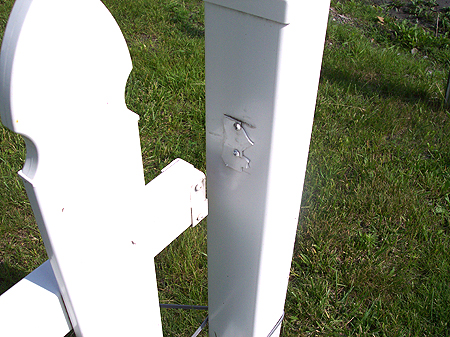
If you have ever walked into a big box store and found yourself standing in front of a display of vinyl fence panels, I completely understand the appeal. They look sharp, the prices are attractive, and it feels like a pretty straightforward weekend project. I get it. But after years of installing vinyl fences across Vermont, I am going to be honest with you — we would never install a box store vinyl fence for one of our customers, and here is why. It Looks Great in the Store That is kind of the point. Big box stores are good at making things look appealing on the sales floor. The panels are clean, the colors are bright, and the price tag makes it easy to talk yourself into it. What you do not see standing in that aisle is how that fence is going to hold up two winters from now in a Vermont frost heave. The Bracket Problem Here is what I want you to do next time you are in one of those stores. Take a close look at how the panels and posts connect to each other. See those brackets? That right there is the problem. Box store vinyl fencing uses exposed brackets to attach panels to posts. It is a shortcut that works fine in a showroom and starts failing in the real world. In the Northeast, we deal with freeze and thaw cycles that are brutal on any fence system. The ground moves. Temperatures swing. Wind loads put constant pressure on the structure. Those brackets simply are not built to handle any of it. Over time they crack, they pull away from the post, and the whole fence starts to shift and lean. We use a routed post system where the panel rails slide directly into the post — no exposed brackets, no weak points. It is a cleaner look and a significantly stronger installation. What We Have Actually Seen I do not want this to just be my word against a price tag, so let me point you to something real. In our gallery you will find photos of a vinyl fence installed in front of a church on Route 100 in Waterbury Center. We did not install this fence — I want to be clear about that. But it is about as typical an example of a big box store installation as you are going to find. Take a look at what the brackets look like after a few Vermont winters. That is not an unusual outcome. That is what we see regularly. The Real Cost I understand that budget matters. It always does. But here is the thing — a box store vinyl fence that fails in year two or three is not actually cheaper. By the time you factor in the cost of replacement materials, labor, and the headache of dealing with a fence that looks terrible in the meantime, you have spent more than you would have if you had just done it right the first time. A quality fence installed properly is going to last you decades. That is what we are here to do. Let’s Talk If you are thinking about a vinyl fence and you want to know what a properly installed one actually looks like, we are happy to walk you through it. Give us a call, shoot us a message, or stop by. We would love to help you make the right call for your property.